
The jobs that make the house work
An extra power point where you actually need one. Downlights that don't cook the ceiling. A fan that doesn't wobble. None of it is glamorous and all of it gets done properly.
Get a price
Tell us what you want done and where. Most of these can be priced without a site visit.
No call centre. Goes straight to us.
Renovating, or building?
Get the electrician in before the plasterer. Rough-in is cheap. Chasing walls afterwards isn't.
What we do around the house
Day to day, this is most of the work. Small jobs, done on time, priced before we start.
Power points and outlets
Extra points where the extension lead currently lives. Double points, outdoor weatherproof points, USB outlets, and dedicated points for the fridge, the microwave or the shed.
Downlights and LED upgrades
Halogens swapped for LED, new downlights cut in, old transformers pulled out of the ceiling. Correctly spaced so the room is lit evenly instead of spotlit in patches.
Ceiling fans
Supplied and installed, or yours fitted. Fixed to structure rather than plasterboard, so it doesn't wobble and the box doesn't slowly pull out of the ceiling.
Renovations and extensions
Rough-in and fit-off, new circuits, relocated points and switches, and the board work that makes room for all of it. Coordinated around the other trades.
Outdoor and alfresco
Weatherproof power and lighting, garden and step lights, sensor floods, shed and garage supply, and outdoor fans and heaters in the alfresco.
New circuits for appliances
Ovens, cooktops, air conditioning, hot water and pool equipment. The appliance is the easy part — the circuit, the protection and the board space are the job.
Something not working rather than something new? That's repairs and fault finding. If the board is full or still on ceramic fuses, start with a switchboard upgrade — everything else gets easier after that.
Downlights, done once
Most houses around here still have halogen downlights, and most of those ceilings can't be insulated properly because of them. Changing to LED fixes three problems at once.
- The ceiling can be insulated — modern IC-rated LEDs can be covered, halogens can't
- The load drops hard — ten halogens pull around 500W, ten LEDs pull well under 100W
- The transformers come out — they're the part that fails and the part that gets hot
- Spacing gets fixed — we set them out for the room, not the existing holes
- Colour temperature chosen — warm in living areas, cooler in the kitchen and laundry
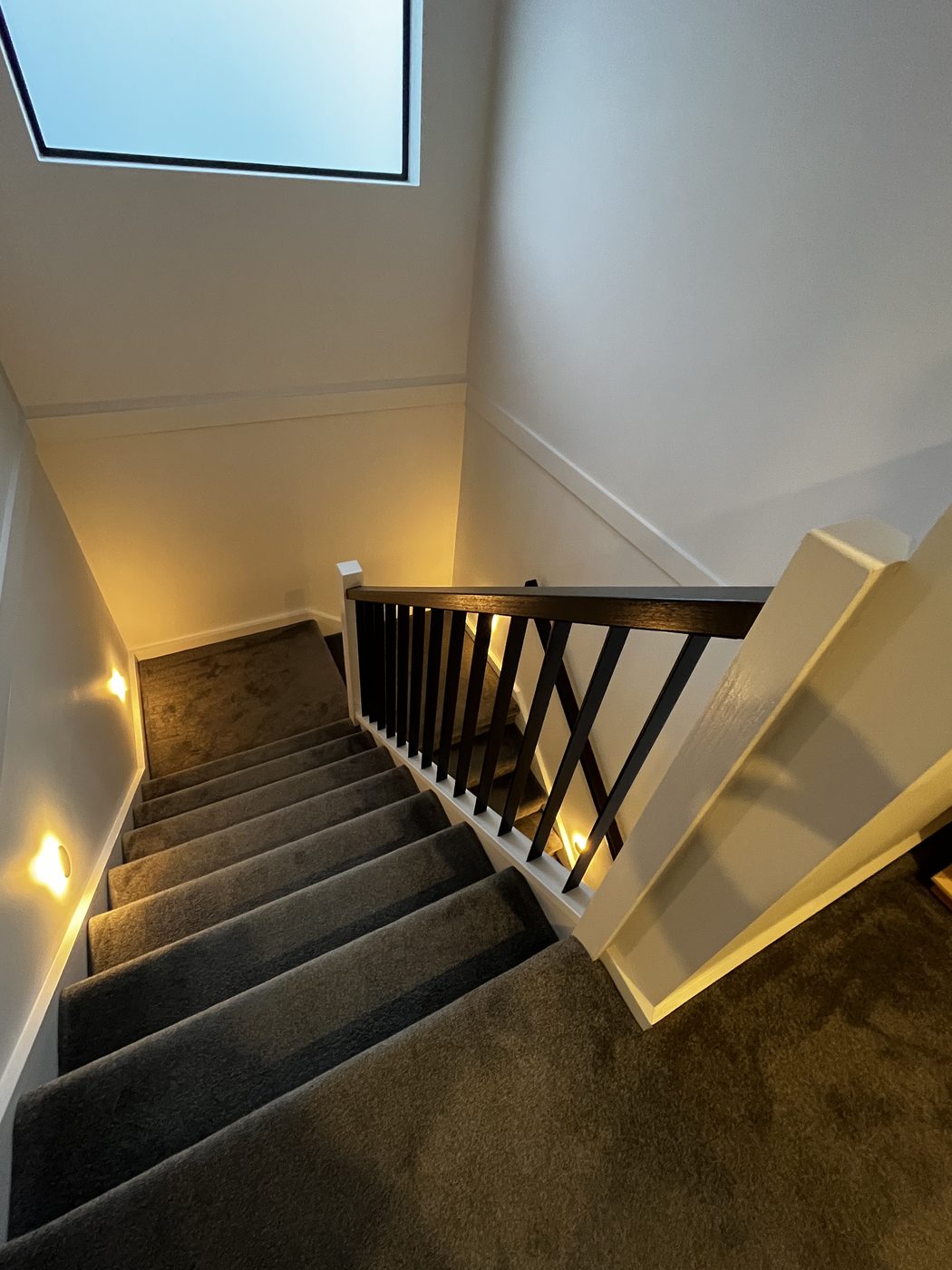
Pendants, feature lights and the bits people notice
Downlights are the volume work. Pendants over an island, a run down a stairwell, a wall light beside a mirror — those are the ones you look at every day, and they're the ones that go wrong when the point isn't where the fitting needs it. If you've bought the fittings, bring them. If you haven't, tell us the room and we'll tell you what will actually work in it.
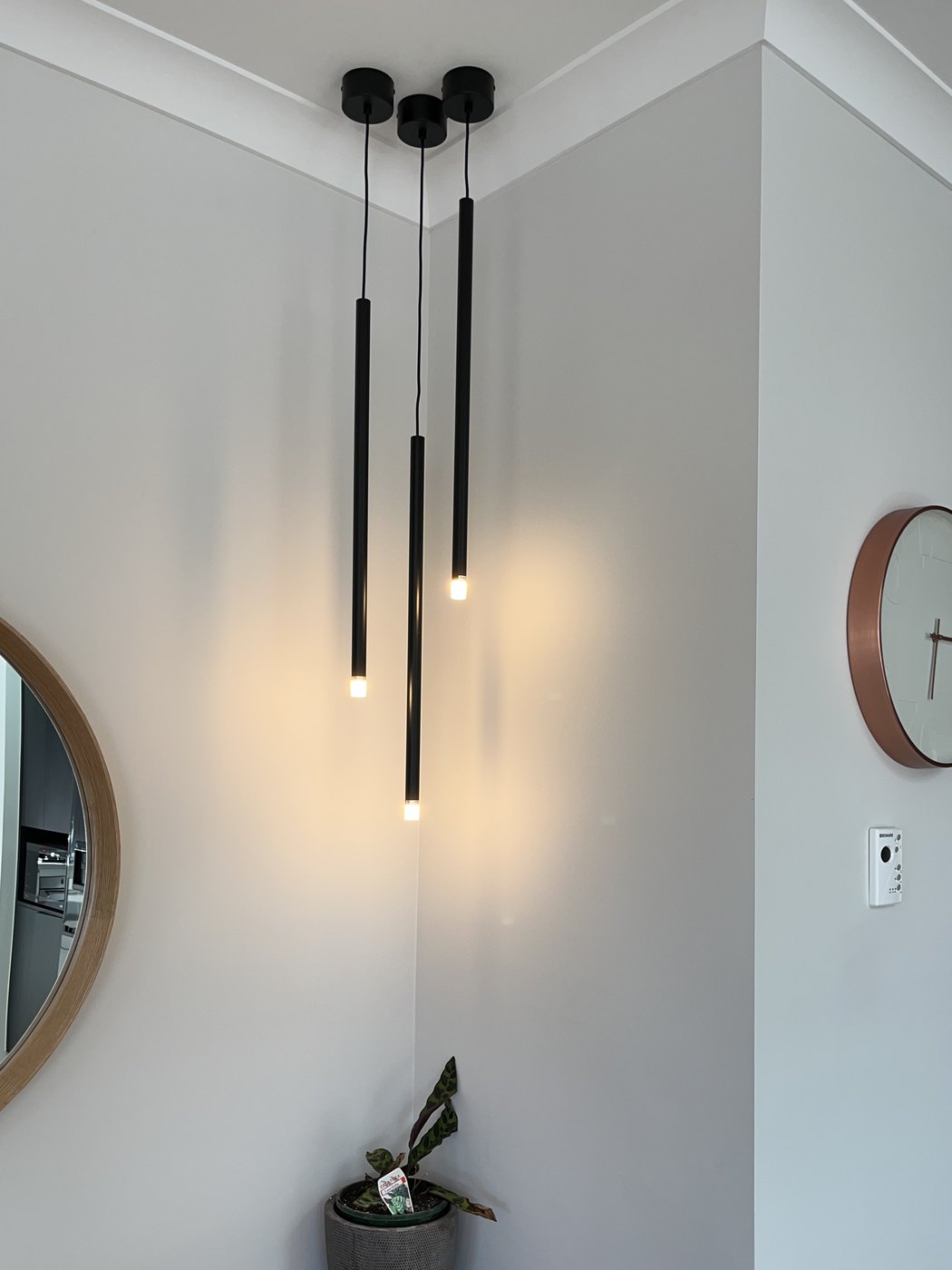
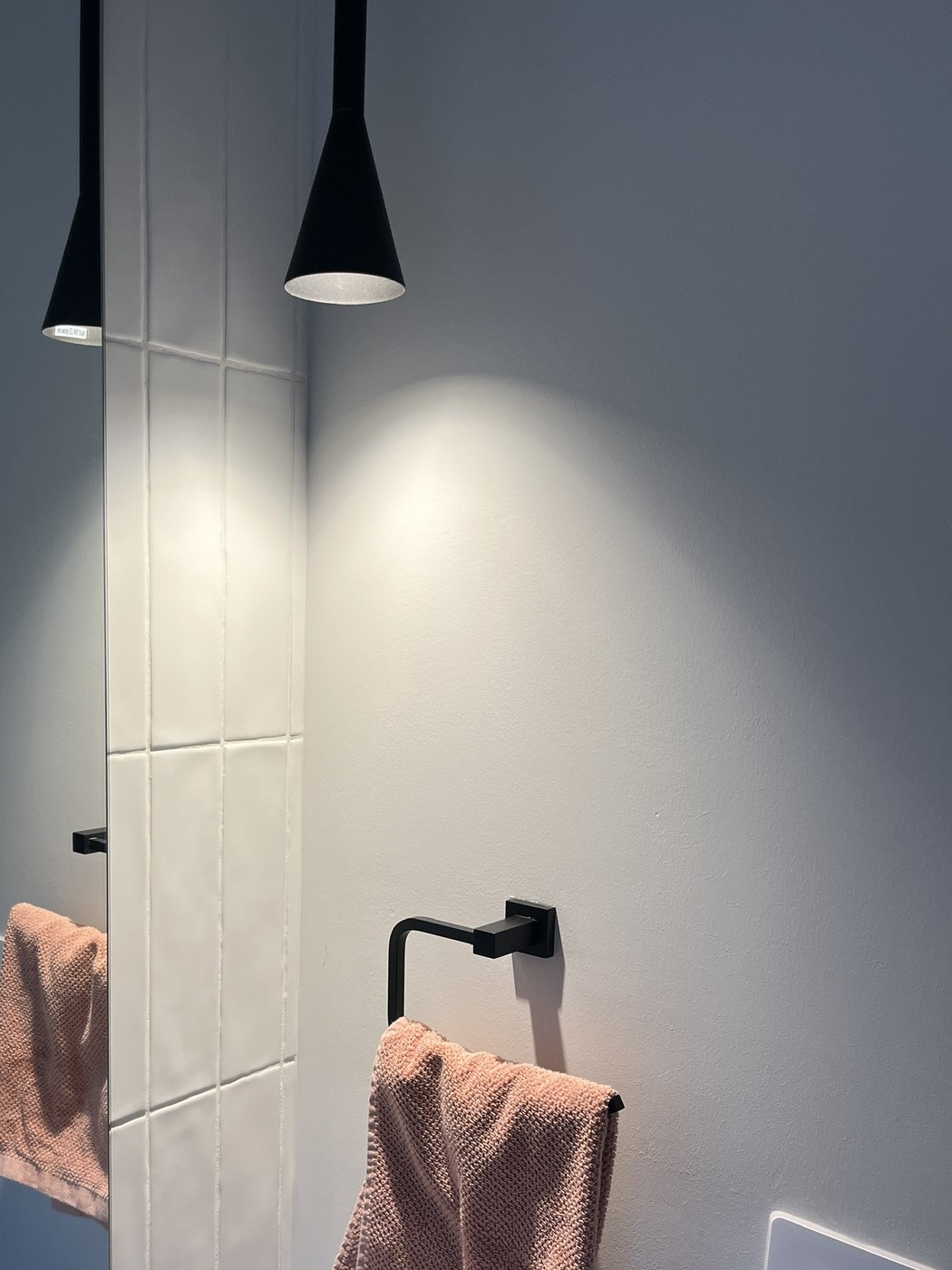
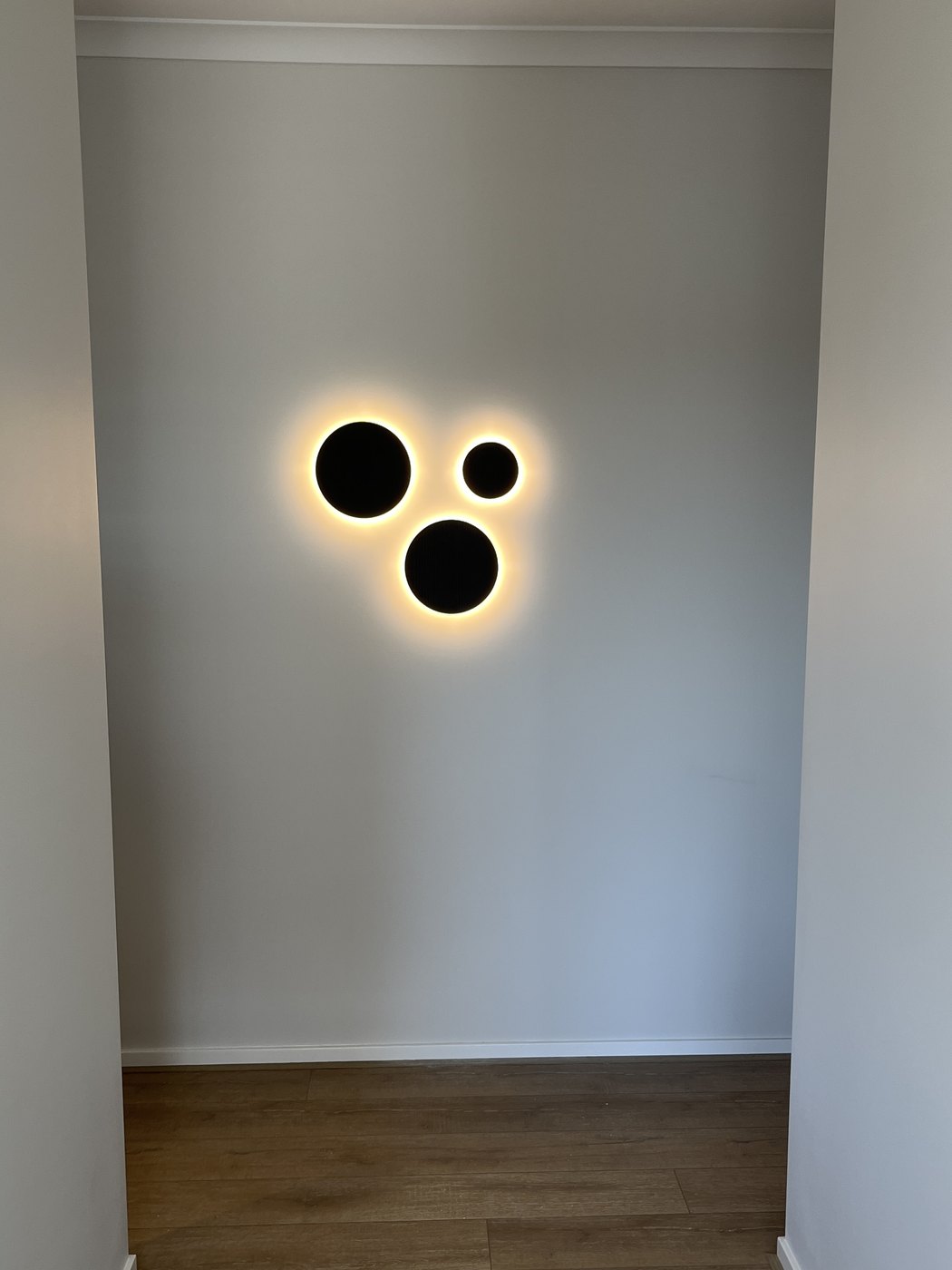
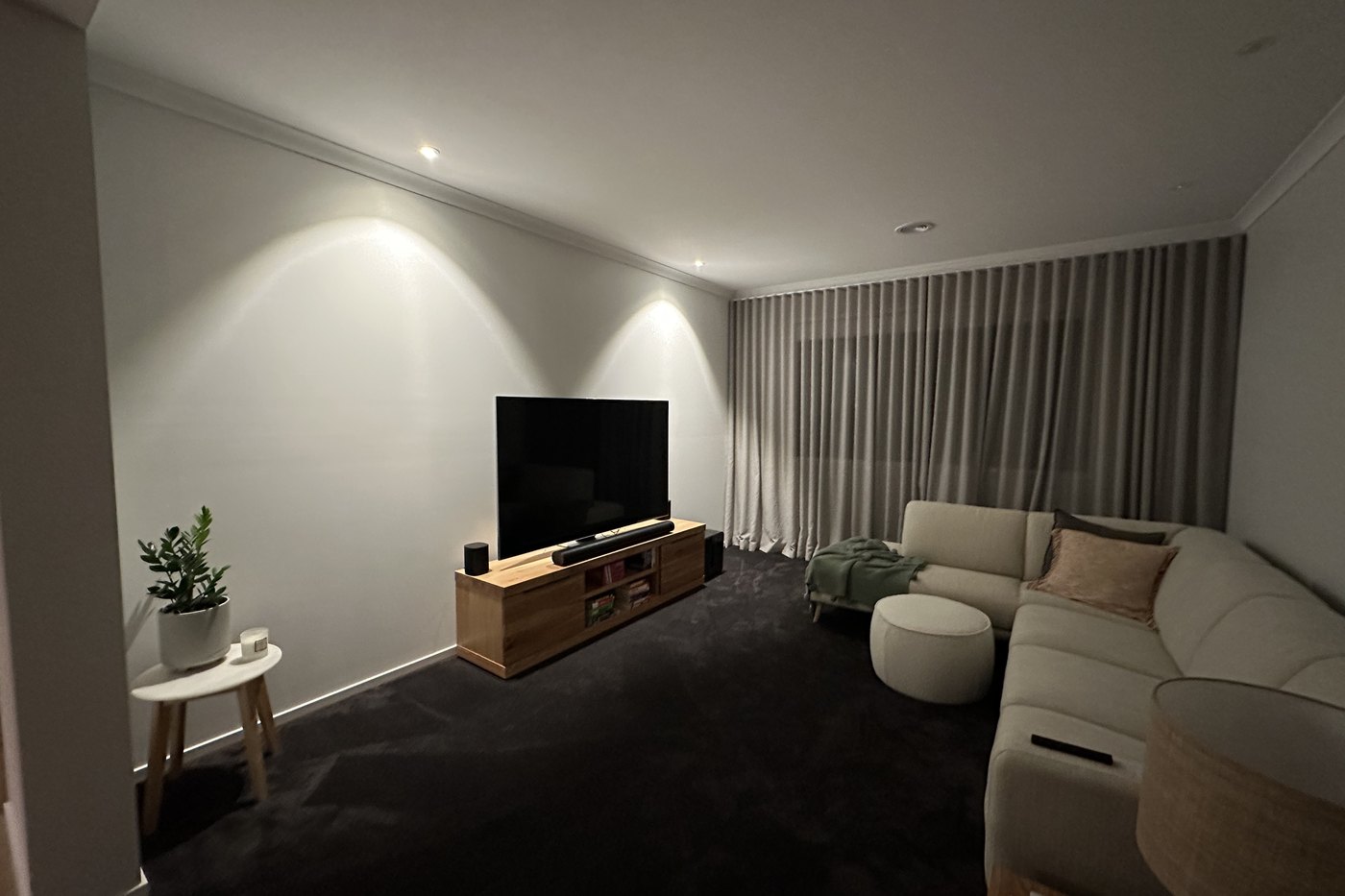
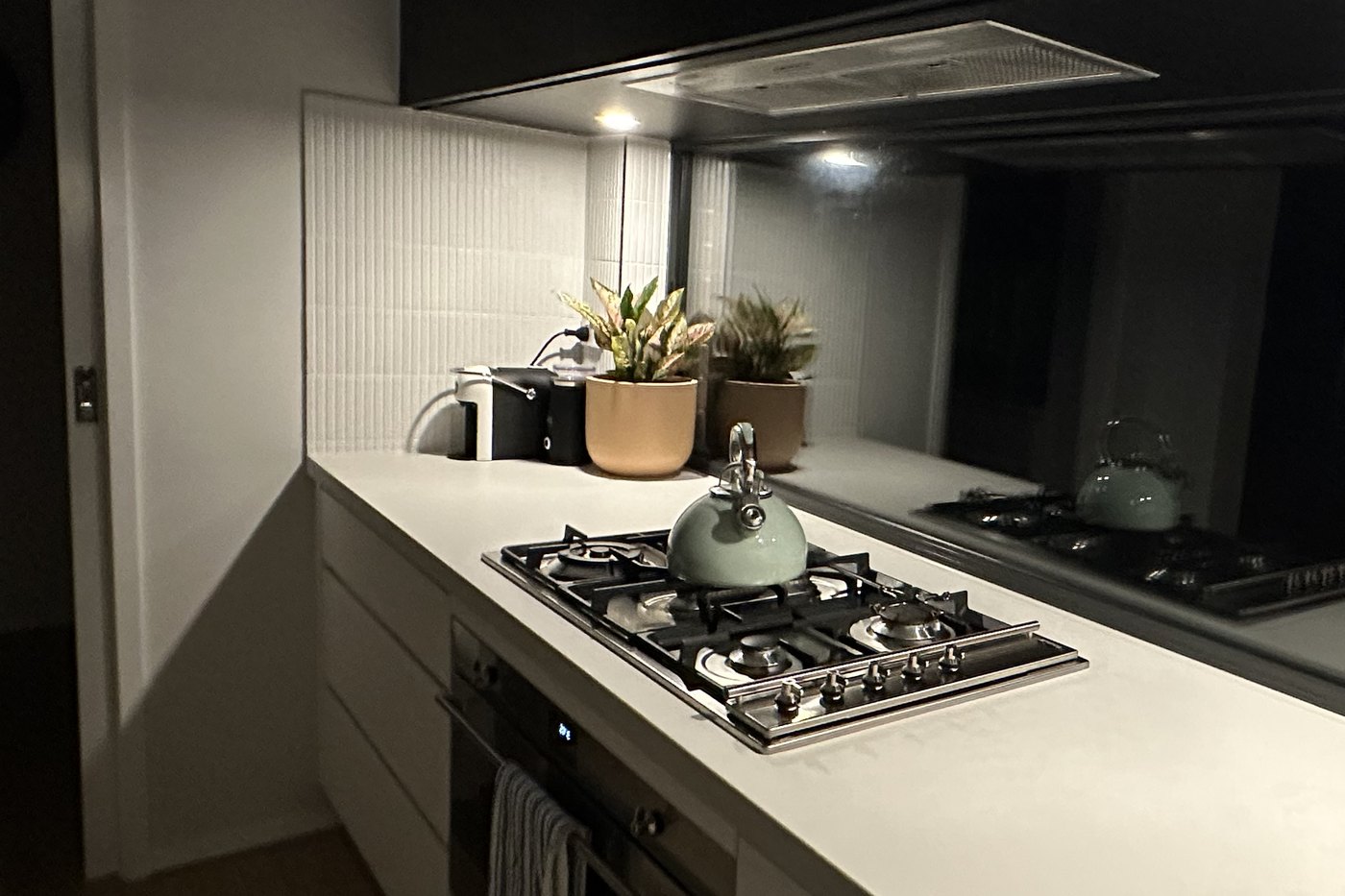
Get light onto the walls and the bench
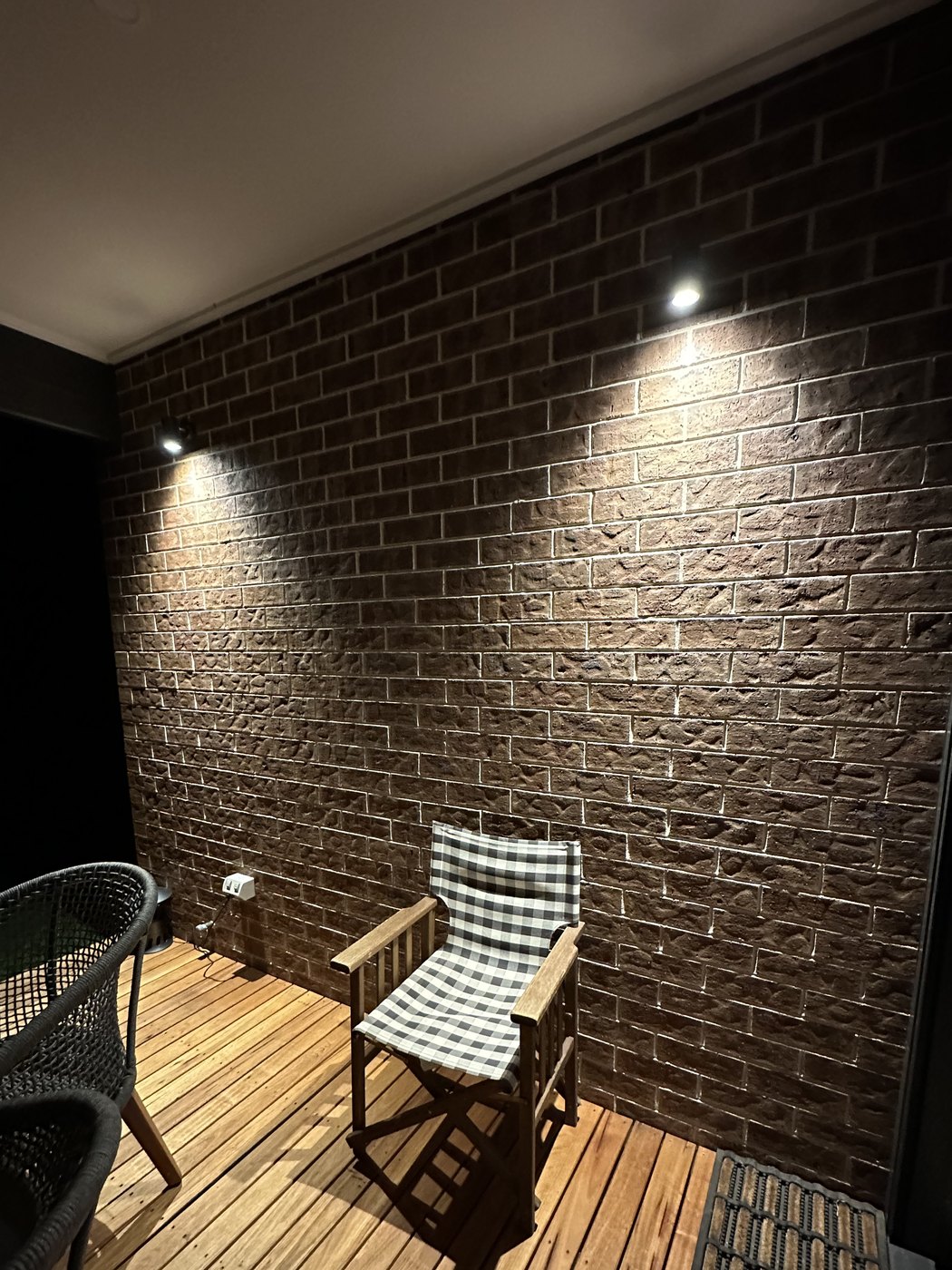
A grid of downlights lights the floor and leaves the walls flat. Wash a wall instead and the room feels bigger. In a kitchen, a downlight puts light on your shoulders. A strip under the overhead cupboards puts it on the bench. Both come down to set-out. A few centimetres off the wall and the scallops go uneven, so we measure before anything gets cut.
Strip lighting, hidden where it should be
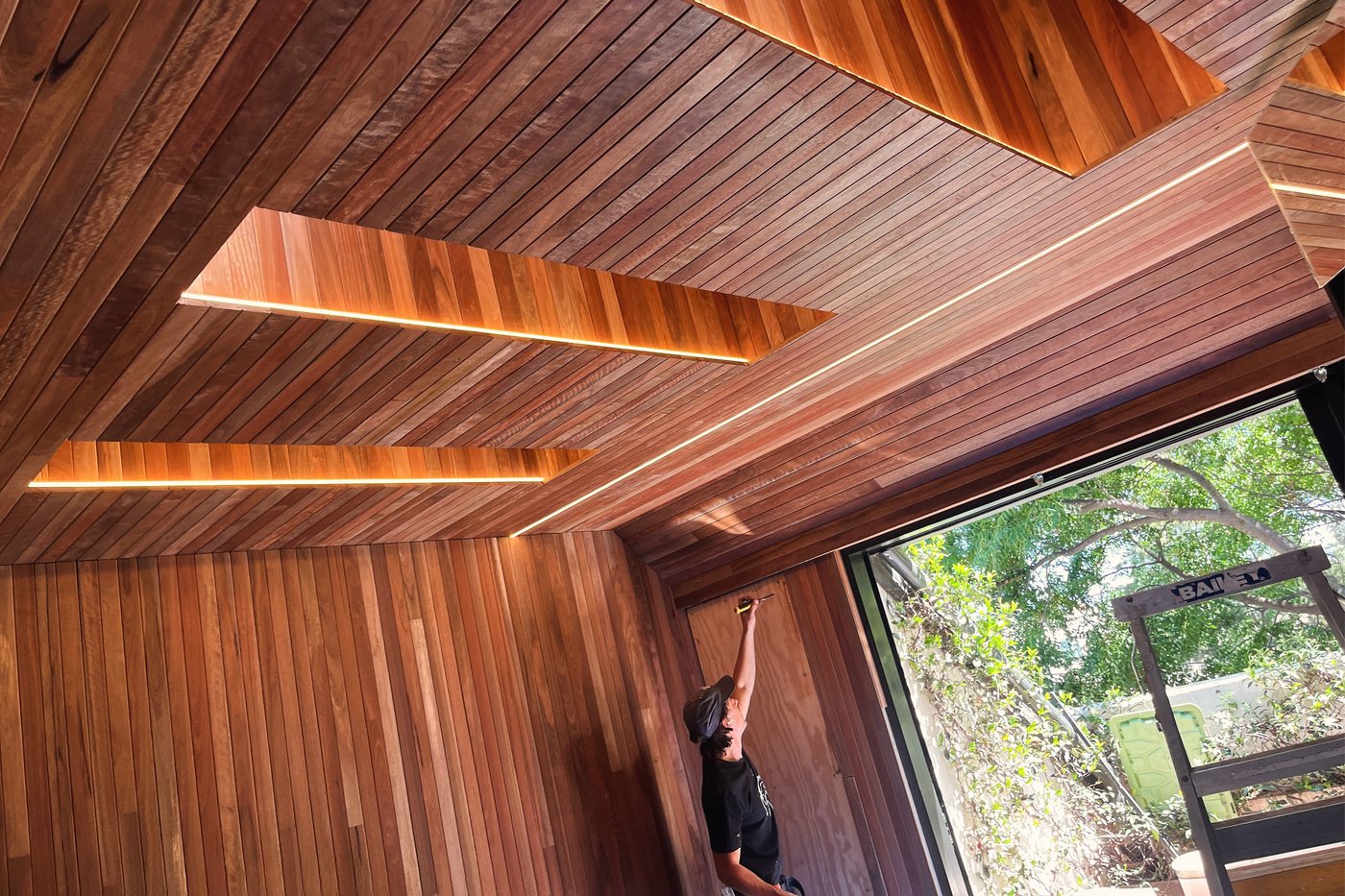
A run of LED strip in a ceiling reveal or under a bench is the one light nobody can find the source of, which is the entire point of it. It's also the one most often done badly. The strip gets set out with the joiner before the lining goes up, the driver needs somewhere accessible to live, and the run gets cut and jointed to length rather than coiled up out of sight. Get any of that wrong and it flickers, sags, or fails somewhere you now have to pull a ceiling apart to reach.
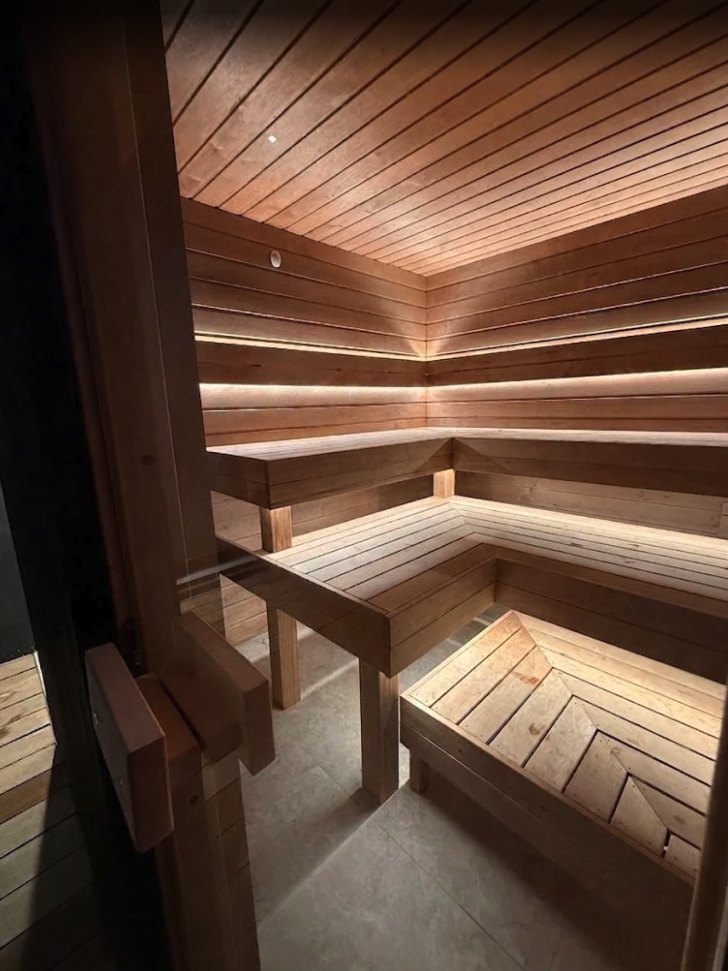
That sauna needed a good deal more than a light switch: a new three-phase circuit, and a control enclosure built for it, with the breakers and contactors that run the fan and the lighting off the sauna's own app. If what you're putting in wants its own supply and its own controls — a sauna, a pool, a workshop, a studio — that's the conversation to have first, because it decides what the board has to do.
Outside, after dark
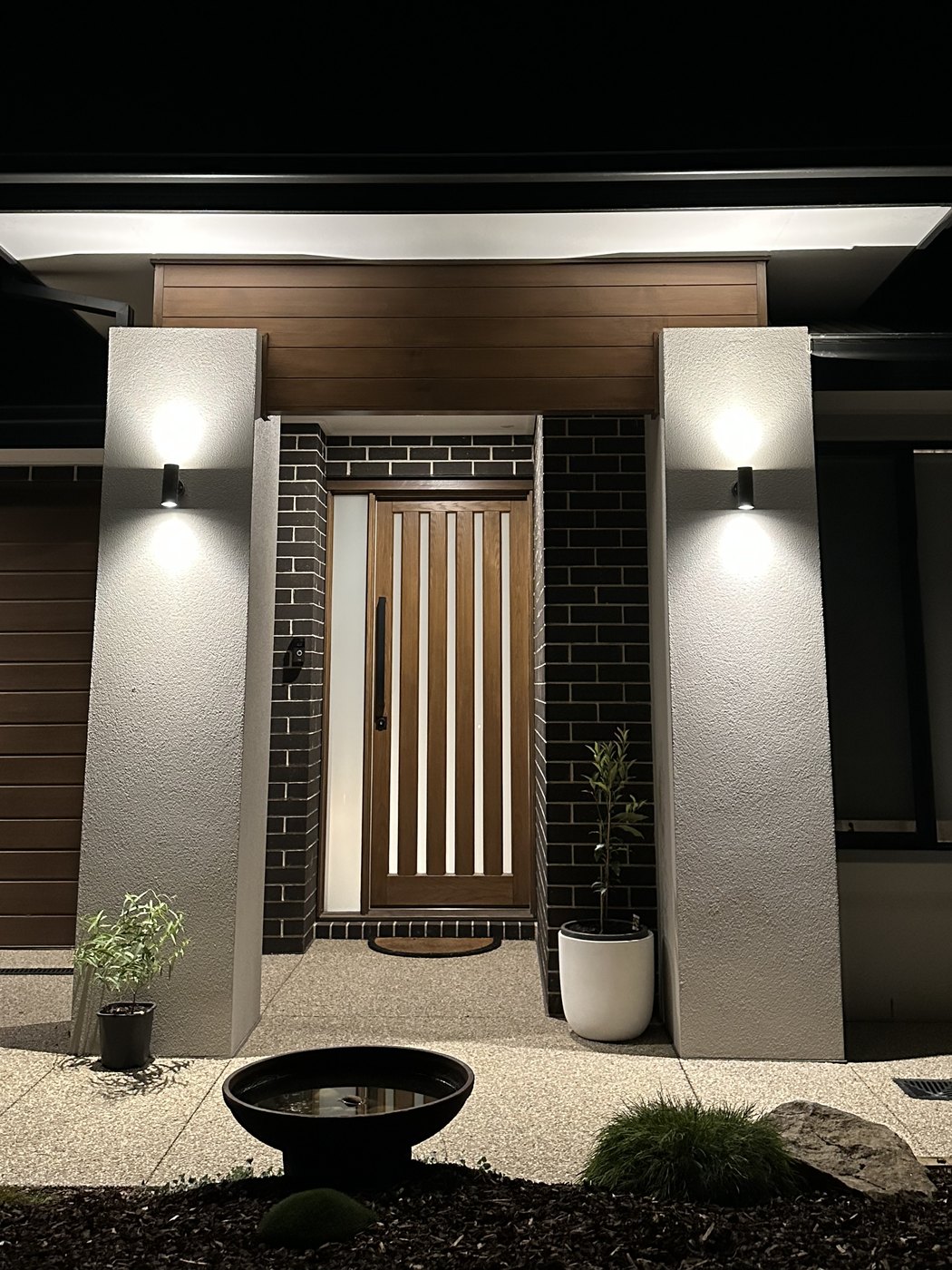
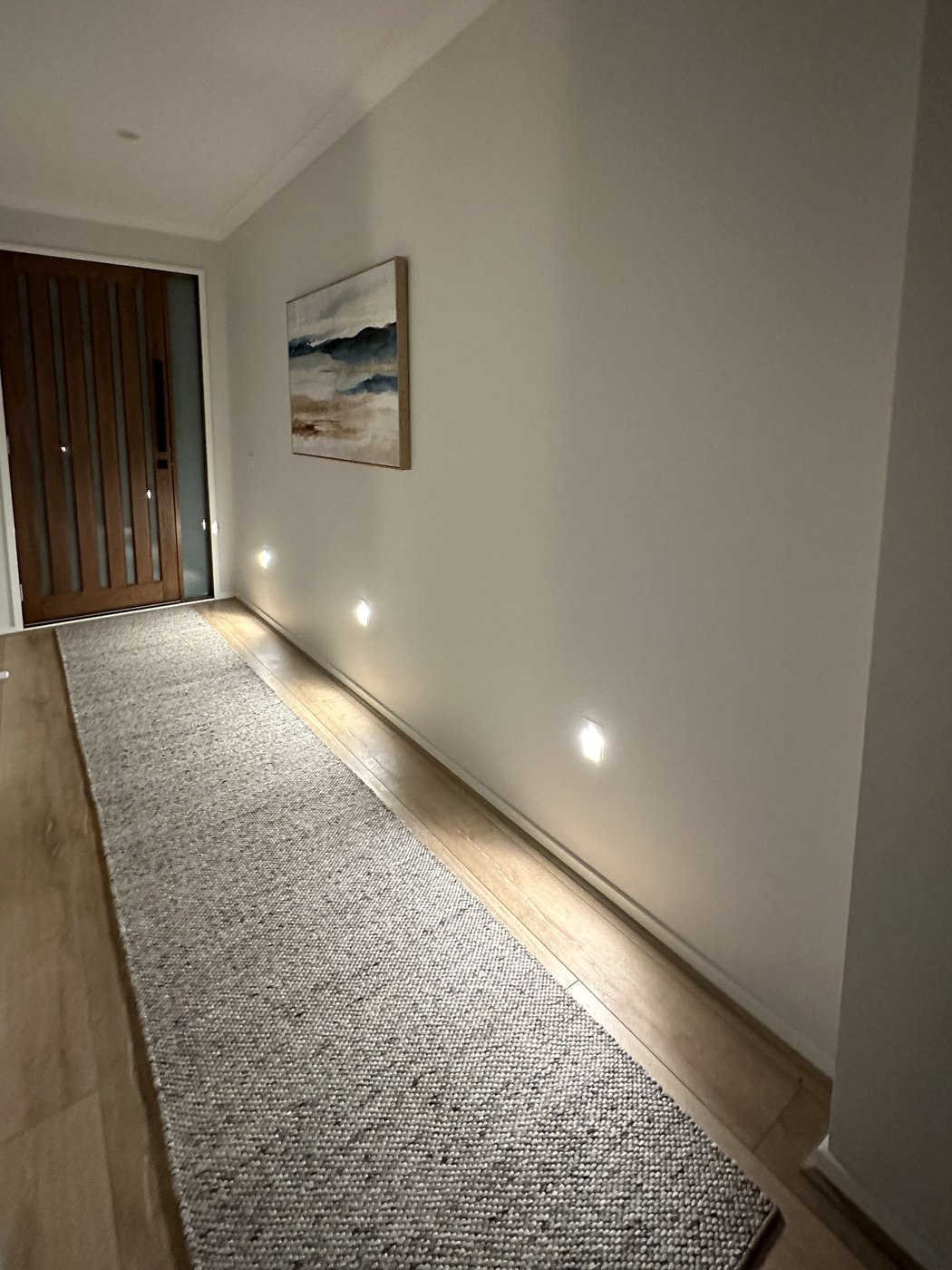
Entry lights, alfresco and step lighting are the ones you notice the day they stop working, and the ones most likely to have been run in something that shouldn't be outside. We run them properly — outdoor-rated fittings, correctly sealed, off their own circuit with the RCD protection they're meant to have, and switched or timed so you're not doing a lap of the house at night.
Ceiling fans that stay put
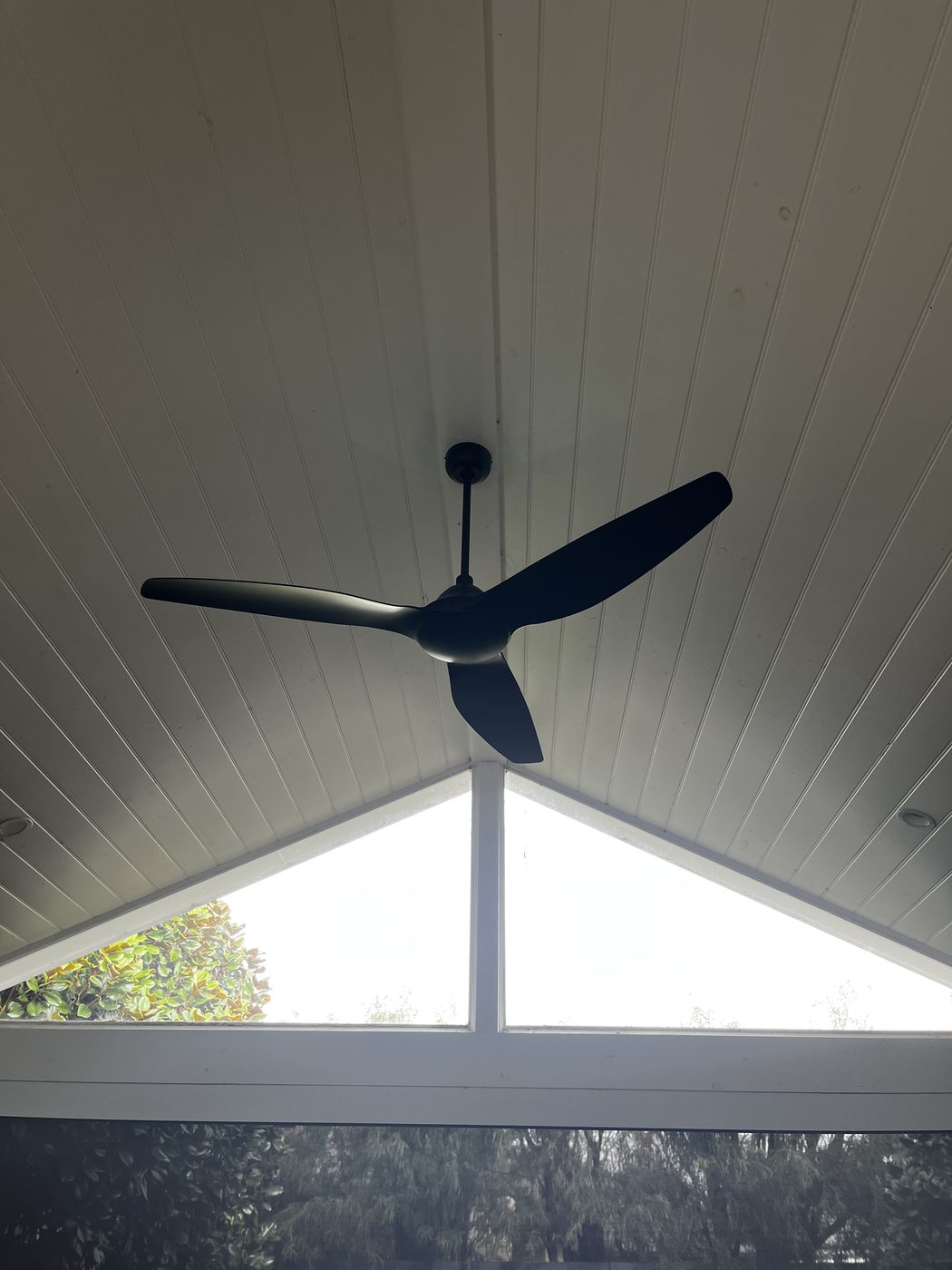
A fan is a heavy spinning thing screwed to your ceiling. Half the ones we're called out to fix were never fixed to anything structural in the first place.
- Fixed to a joist or a batten, not to plasterboard and hope
- Raked and sloped ceilings handled with the right drop rod and canopy
- Wall control or remote — including replacing a light switch with a fan controller
- Outdoor-rated fans for alfrescos and verandahs, on a weatherproof circuit
- Old fan removed and disposed of, ceiling made good
The half you don't see
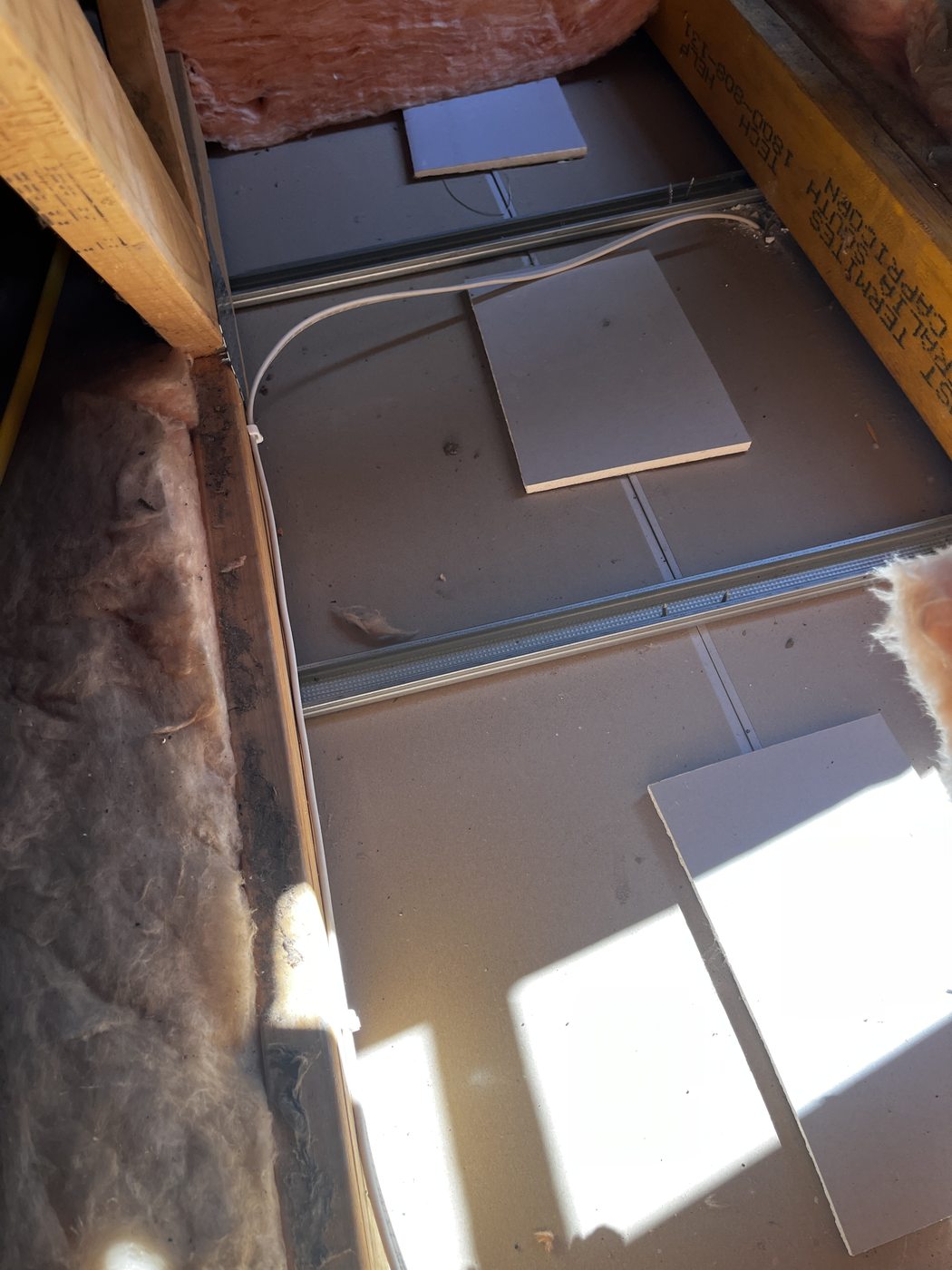
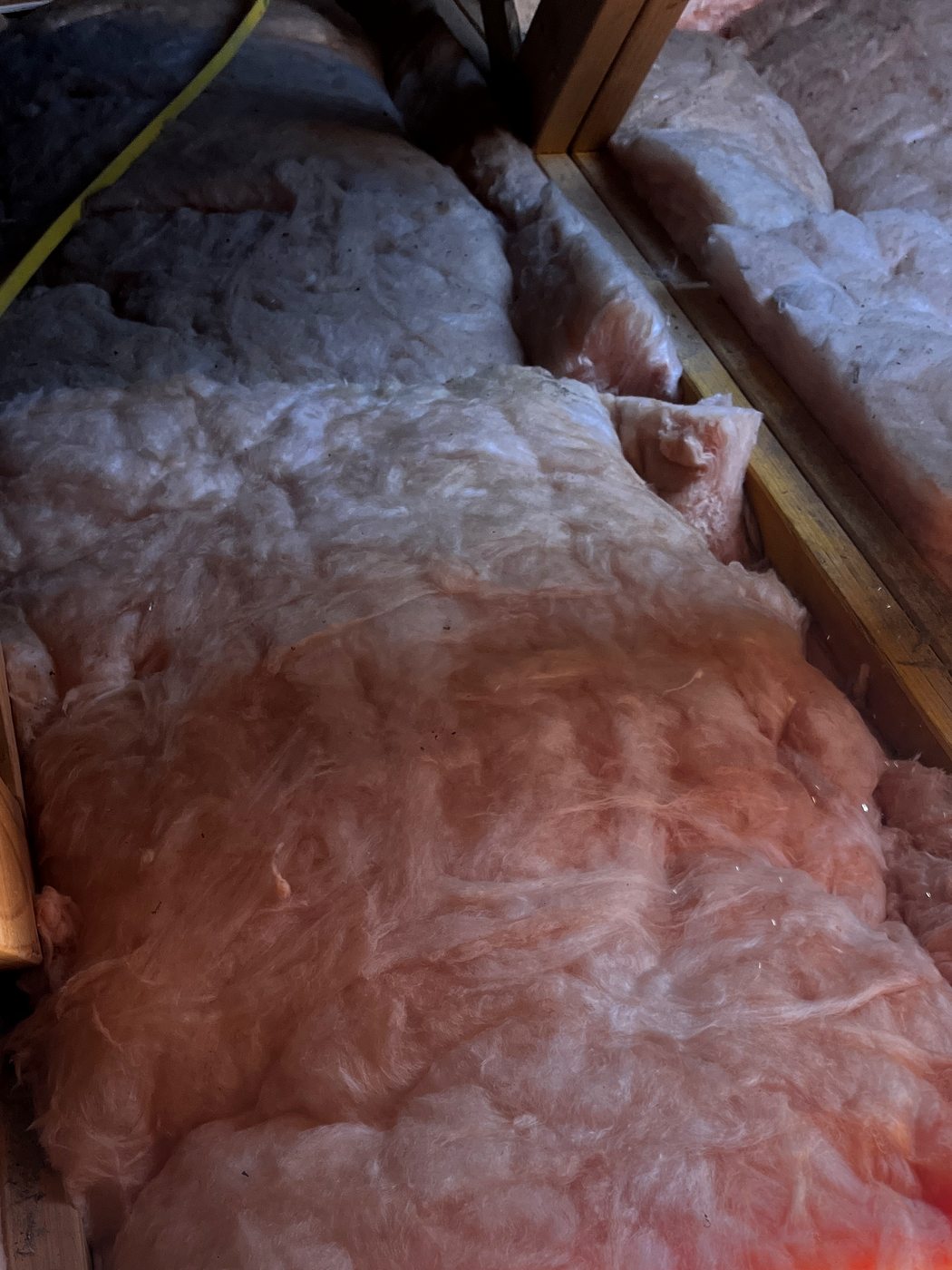
Most of a fan install happens above your ceiling, where nobody's going to check. So cable gets left lying across the plaster. Insulation gets shoved aside to make room and never put back, and you pay for that on every heating and cooling bill after.
Get the wiring right while the walls are open
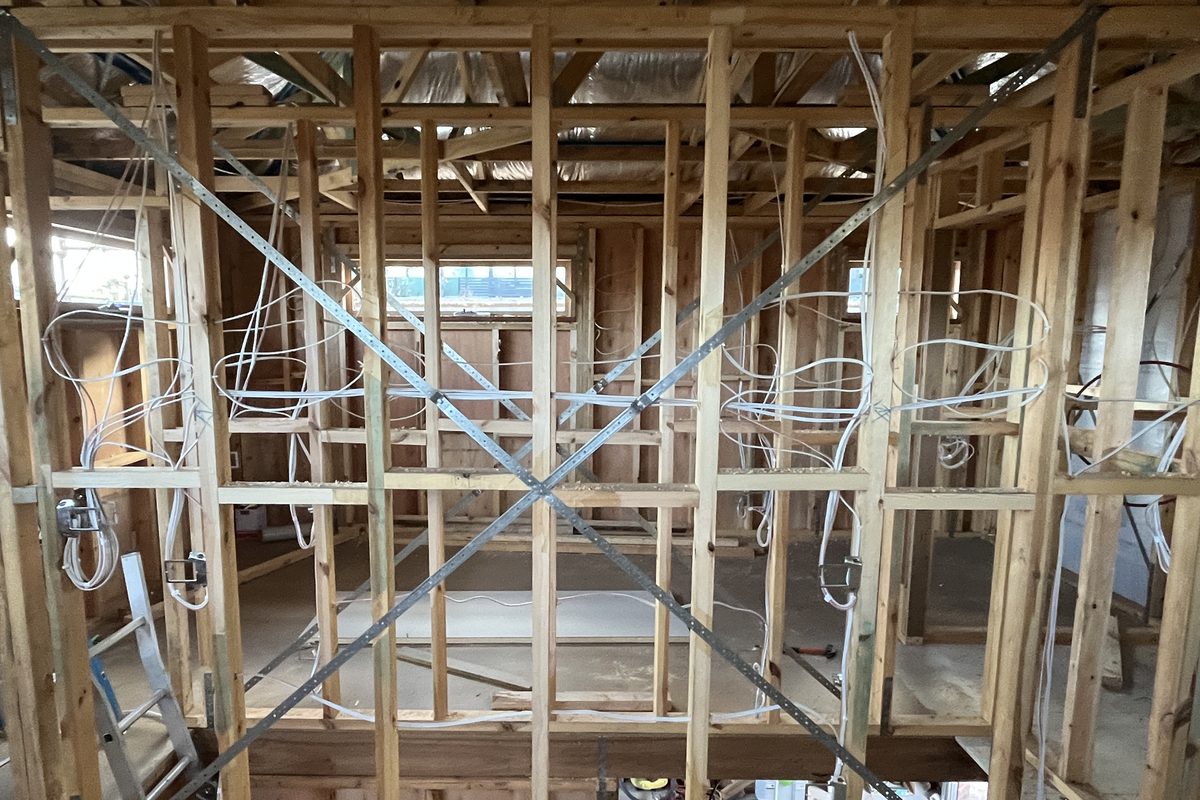
A reno is the cheapest chance you'll ever get to fix the electrical side of a house. Once it's sheeted and painted, the same work means cutting into finished walls, patching and repainting. The job doesn't change. The bill does.
Rough-in
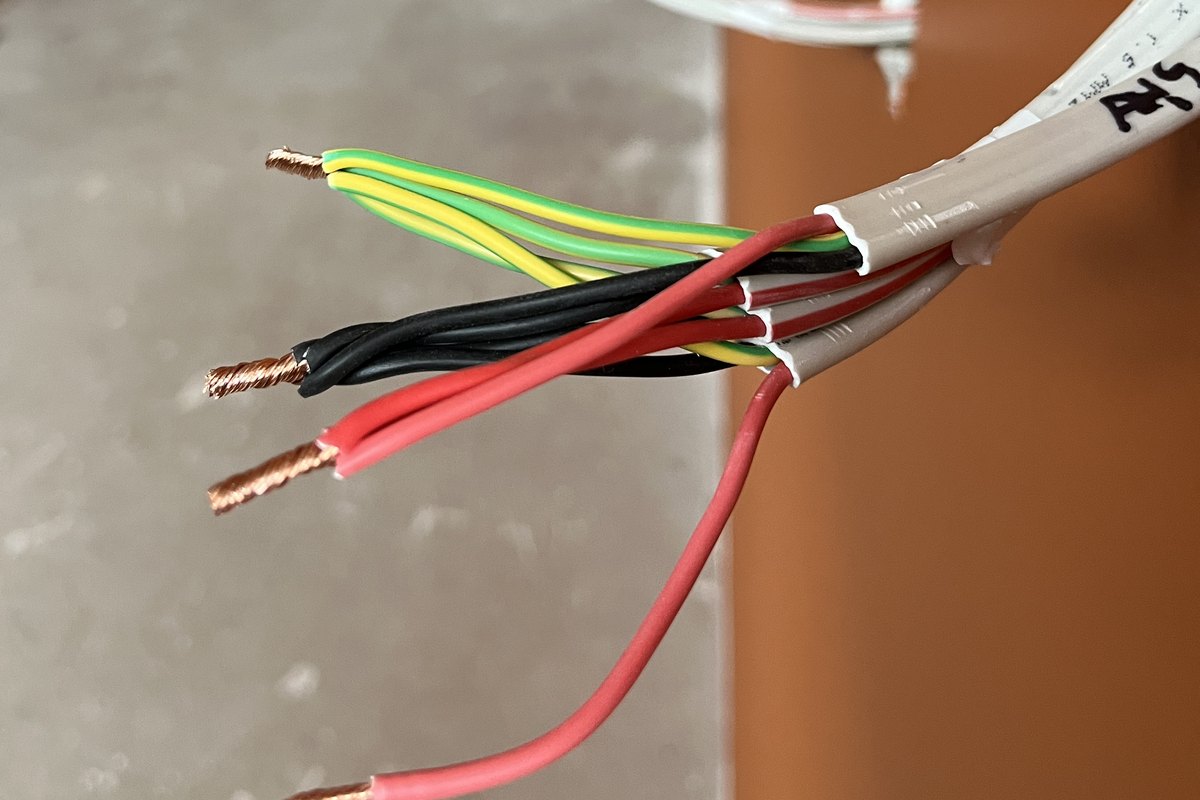
Cables run, points and switches set out, lighting positions marked with you on site. Done before the plasterer, photographed before it's covered.
Fit-off
Points, switches, lights and fans fitted once the painting's finished. Tested, certified and handed over with a Certificate of Electrical Safety.
Board and supply
An extension usually means more circuits than the old board has room for. Often the mains need checking too. Better to know that at frame stage than at handover.
Adding an EV charger or a battery in the next few years? Say so at rough-in. Running a spare conduit and leaving board space costs almost nothing now and saves a wall being opened later.
Owner-builders and small builders
We take on new home rough-in and fit-off, plus renovations and extensions, for owner-builders and builders doing a handful of houses at a time. We're not chasing volume estate work — we'd rather do a small number properly and be the sparky you keep ringing.
- Rough-in and fit-off on new homes, priced per house up front
- Renovations and extensions, including the board and supply work
- Owner-builders welcome — we'll explain what needs deciding and when
- Certificates and inspections handled, not left for you to chase
- One electrician — the bloke who quoted it is the bloke on site
What we'll want to know
Enough to give you a number rather than a range:
- Plans, or a sketch with room sizes
- Single or double storey, and slab or stumps
- Single or three-phase supply
- Rough program dates for rough-in and fit-off
- Anything unusual — EV charger, battery, solar, pool, shed
Three steps, no surprises
Tell us what you want
Most of this can be priced off a description and a couple of photos. Bigger jobs get a site visit.
Fixed price, then a date
One number, itemised, before anything starts. You pick the day that suits.
Done and certified
Work completed, mess cleaned up, Certificate of Electrical Safety in your hand.
Questions we get asked
Can I add a power point to an existing circuit?
Usually. Whether it spurs off something nearby or needs its own run back to the board depends on what's already on that circuit and how far away the new point is. Those are two quite different jobs, which is why we work it out on site before quoting rather than after.
Can you swap my halogen downlights for LEDs?
Yes, and it's one of the better value jobs in a house. Halogens run hot, need clearance from insulation, and usually have transformers sitting up in the ceiling waiting to fail. Going LED lets the ceiling be insulated properly and drops the lighting load to a fraction of what it was.
Do I need an electrician to install a ceiling fan?
Yes — connecting it is electrical work and has to be done by a licensed electrician in Victoria. The fixing matters just as much. A fan needs to be mounted to structure, not to plasterboard, or it'll wobble and eventually work its way loose.
Can you supply the fittings, or should I buy them?
Either. We'll supply and it's all covered under one price and one warranty, or you buy what you like and we fit it. If you're buying, send us the model first — some of the cheap online gear isn't approved for sale in Australia and we can't legally install it.
When in a renovation should I get you in?
Twice. Once at frame stage before the plasterer, to run cables and set out points and lighting with you standing in the room. Then again after painting to fit everything off. Ring us before frame stage though — that's when the useful decisions get made.
Do you work with builders and owner-builders?
Yes. New home rough-in and fit-off, renovations and extensions, for owner-builders and builders running a handful of houses. We're not set up to chase volume estate work and don't pretend otherwise.
Where we work
Pakenham and Surrounds.
Core — same or next day
- Pakenham
- Officer
- Beaconsfield
- Berwick
- Narre Warren
- Cardinia
Regular — usually within the week
- Cranbourne
- Clyde & Clyde North
- Drouin
- Warragul
- Emerald & Cockatoo
- Hallam
By arrangement
- Dandenong
- Frankston
- Phillip Island
Get it priced
Tell us what you want done and where. Most of it can be quoted without us coming out.