
Add a home battery to the solar you already have
You paid for those panels. A battery stops you selling that power back for a few cents and buying it again at night. Sized from your bills, not from a sales target.
Is a battery worth it for you?
Send us these and we'll tell you honestly — including if the answer is no.
No call centre. Goes straight to us.
We're electricians, not a solar retailer
You've probably had the calls. Someone who's never seen your switchboard, quoting a battery over the phone, with a rebate deadline invented to make you sign today.
We won't doorknock you
No cold calls, no clipboard at the door, no "the rebate ends Friday". You ring us when you're ready, and we'll still be here if that's next year.
We'll tell you if it doesn't stack up
If your usage pattern means a battery won't pay for itself in a sensible timeframe, you'll hear that. We'd rather lose the sale than sell you a bad one.
The install is electrical work
Switchboard, backup circuits, isolation, protection, labelling, certification. That's the part that goes wrong on cheap installs, and it's the part we do for a living.
On new solar: we're not a solar retailer and we're not chasing panel installs. But if you want panels put on properly by an electrician rather than a sales outfit, ask us and we'll give you a straight answer.
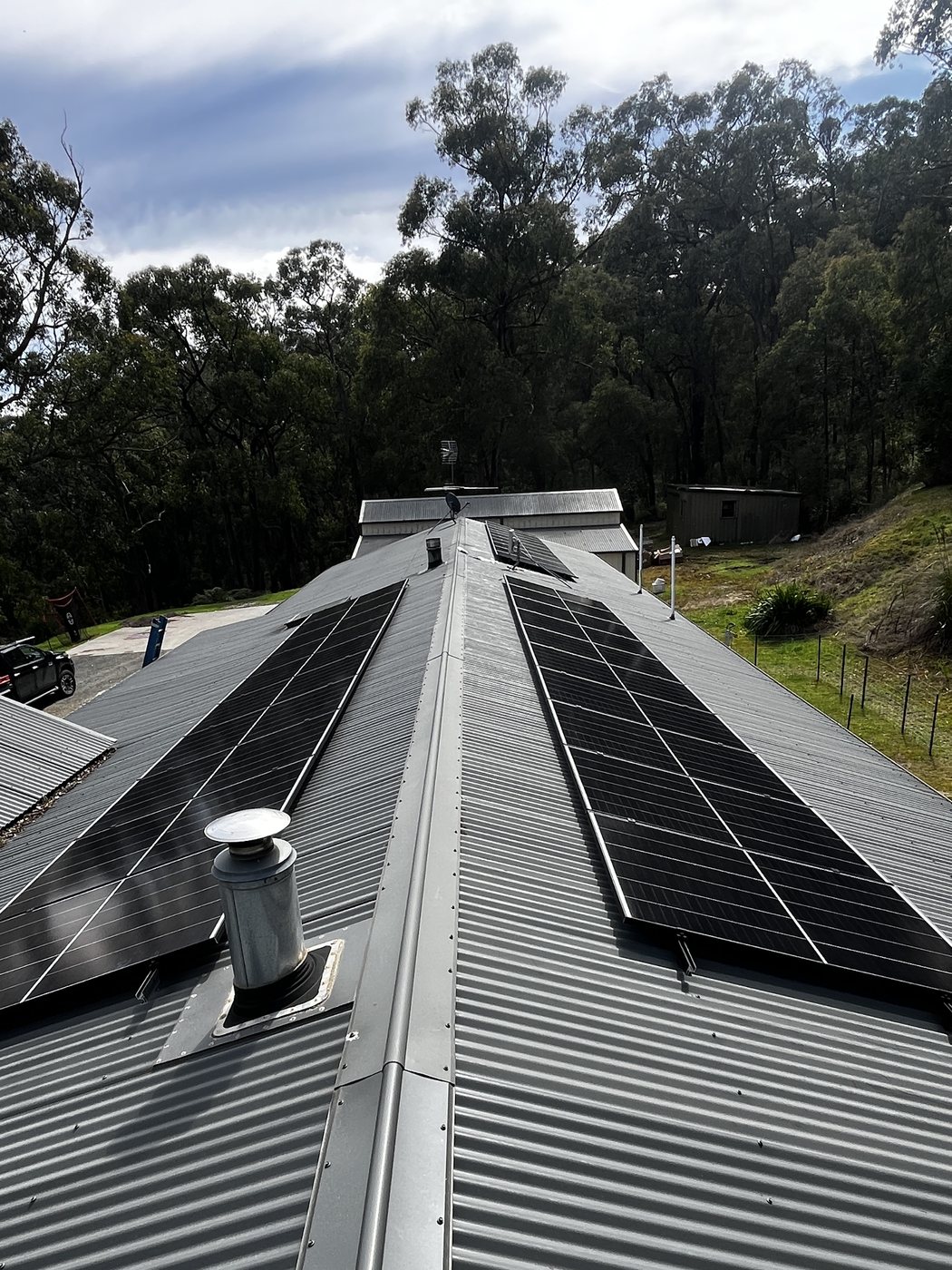
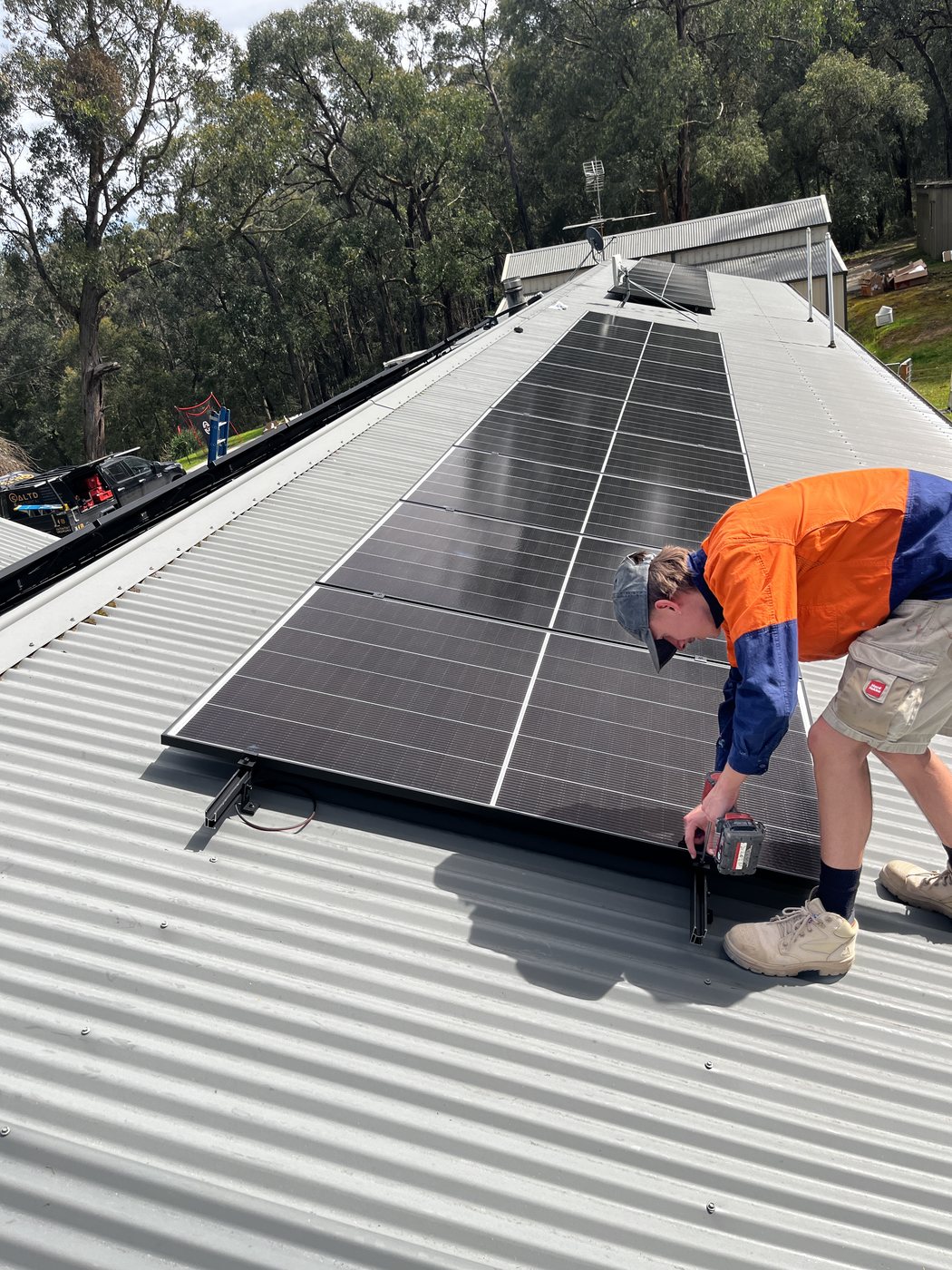
What a retrofit actually includes
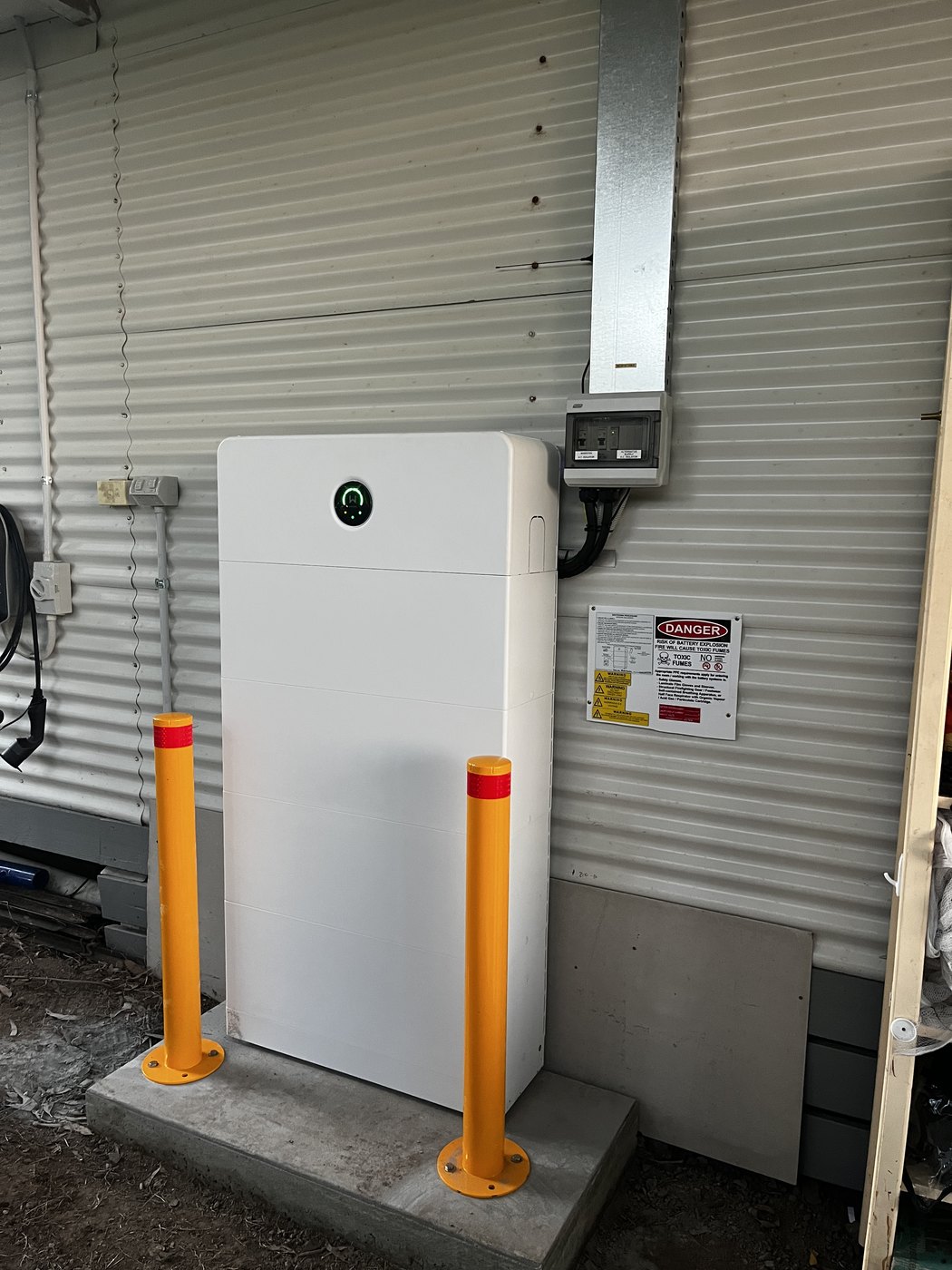
A battery on the wall is maybe a third of the job. The rest is the electrical work that decides whether it's safe, whether it works in a blackout, and whether it still makes sense in ten years.
- Sizing from your real usage — interval data from your retailer, not a guess
- AC-coupled or hybrid — decided by your existing inverter and its age
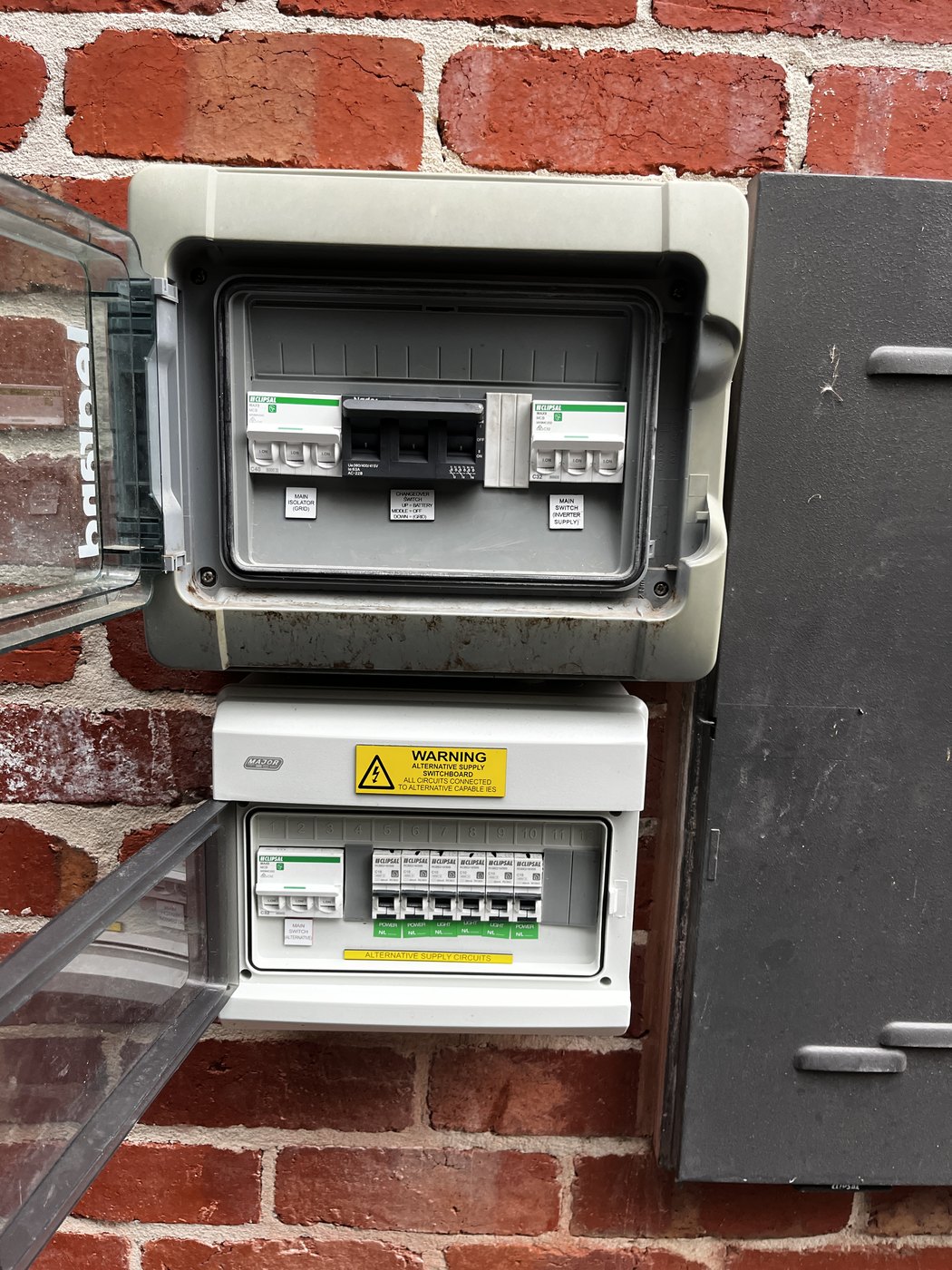
- Essential-circuits subboard — so the right things stay on when the grid drops
- Switchboard work — protection, isolation and labelling done properly
- EV integration — if you're charging a car, that changes the sizing
- Grid connection paperwork — the distributor application, handled
- Certificate of Electrical Safety and independent inspection
Four things that decide whether it's worth it
Go through these before anyone quotes you. If a salesperson skips them, that tells you something.
1. When you actually use power
A battery earns its money on evening and overnight load. A house that's empty all day and busy at night is the ideal case. A house that runs everything at noon is already getting the benefit straight off the roof.
2. What your feed-in tariff is now
The lower your export rate, the more a battery is worth. Feed-in tariffs in Victoria have fallen a long way from where they were, which is exactly why retrofits have started stacking up.
3. How old your inverter is
A recent inverter with capacity to spare suits an AC-coupled battery. An old or undersized one may be better replaced with a hybrid, which changes both the cost and the scope.
4. Whether you want backup
Backup is a separate decision from storage. It needs an essential-circuits subboard and adds cost. Worth it if you lose power regularly or work from home, otherwise optional.
Charging an EV as well?
A solar-matched charger and a battery compete for the same surplus. Worth sizing them together rather than one after the other.
How we price it
A retrofit is priced from the system you've already got, not from a catalogue. Which means a site inspection first, then one fixed number.
We look before we quote
Your inverter, your board, where the battery can legally sit and how far it is from the switchboard. All four move the number, and none of them can be guessed over the phone.
One price, itemised
Battery, inverter work, switchboard work, backup subboard if you want one, and the grid-connection paperwork. Listed separately so you can see what you're paying for and drop anything you don't want.
Rebates handled properly
We'll tell you what you're actually eligible for and what it's worth, and the quote shows the price before and after. No inflated "after rebate" headline with the real number buried.
The batteries we install
Two brands, because two is enough to cover most houses properly and more than that means knowing none of them well.
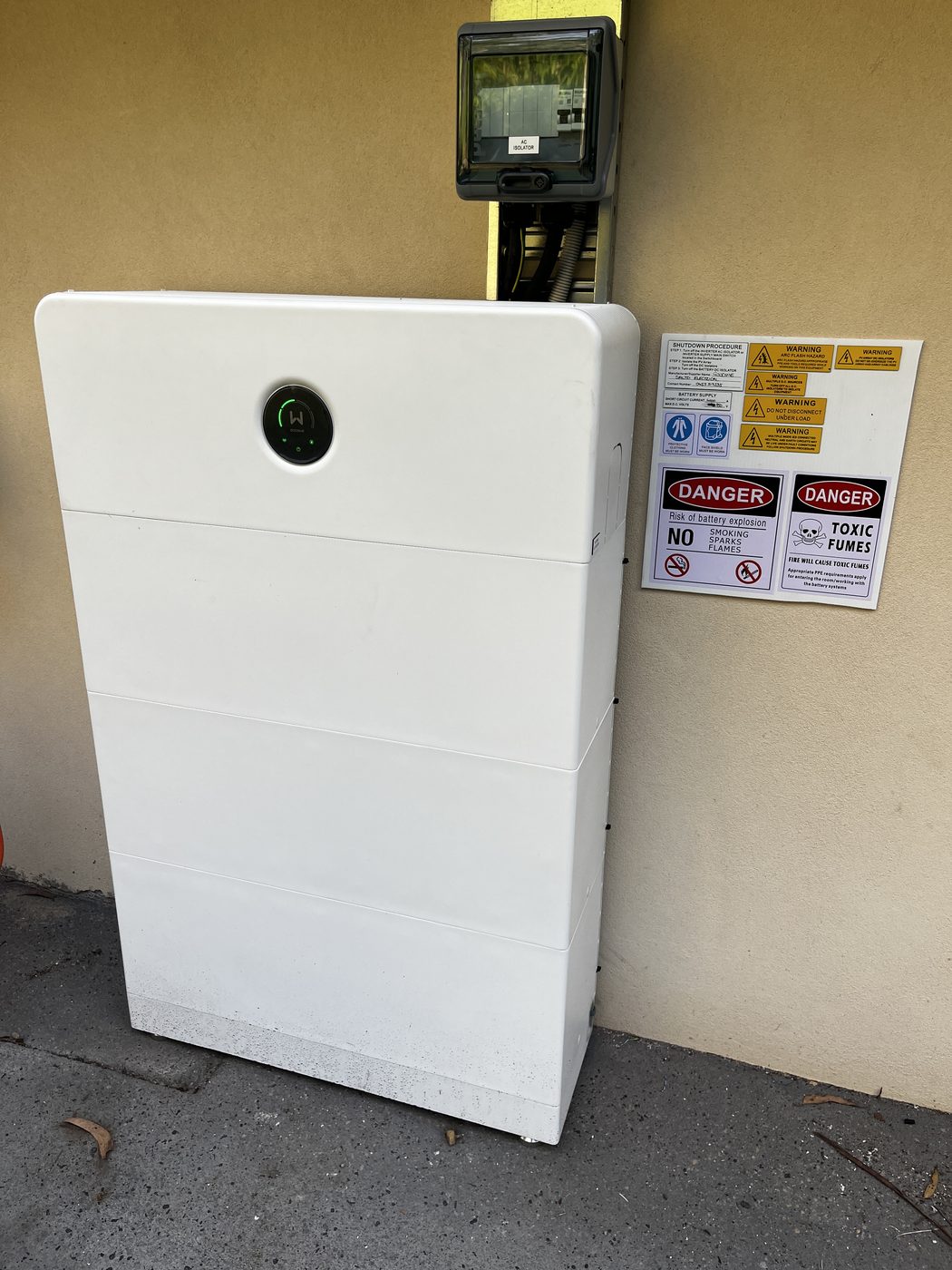
- GoodWe — stackable modules, so the capacity is built to your usage rather than rounded up to whatever's in the van. Hybrid and AC-coupled options, which is what makes it work on an existing solar system.
- myenergi — the same people who make the Zappi charger. If you're charging an EV, the battery, the charger and the solar all talk to each other instead of competing for the same surplus.
If you've been quoted a brand we don't fit, that's not a reason to walk away from it — send us the quote and we'll tell you what we think of the scope. Most of what goes wrong in a retrofit is the electrical work around the battery, not the battery.
Questions we get asked
Can I add a battery to my existing solar?
Almost always, yes. An AC-coupled battery sits alongside your existing inverter and leaves the panels and inverter exactly where they are. A hybrid battery replaces the inverter instead, which sometimes makes more sense on an older system that's near the end of its life anyway.
What size battery do I need?
It's set by your evening and overnight usage, not by how big your solar array is. We pull your actual interval data from your retailer and size to that. An oversized battery is the most common way people lose money on this.
Can a battery power my whole house in a blackout?
Only if it's wired for backup, and only within its power limit. Most installs use an essential-circuits subboard — lights, fridge, internet, a few outlets. Whole-of-home backup is possible but needs the battery, the switchboard and the budget to match. Note that without backup wiring, a battery does nothing in a blackout at all.
Will it pay for itself?
Depends on your usage pattern, your feed-in tariff and what you paid. We'll run the numbers on your actual bills and show you the working. If the payback is longer than the warranty, we'll say so.
What about rebates?
Rebate and loan programs in Victoria change regularly, so we won't quote a figure that might be wrong by the time you read it. We'll tell you what's current when we quote, and point you at the official source rather than asking you to take our word for it.
Can I charge my EV from the battery?
You can, but it's usually not the smart move — a car battery is far bigger than a home battery, so it'll drain it fast. The better setup is a charger that draws from solar surplus directly, with the home battery covering the house. See EV charger installation.
Where we work
Pakenham and Surrounds.
Core — same or next day
- Pakenham
- Officer
- Beaconsfield
- Berwick
- Narre Warren
- Cardinia
Regular — usually within the week
- Cranbourne
- Clyde & Clyde North
- Drouin
- Warragul
- Emerald & Cockatoo
- Hallam
By arrangement
- Dandenong
- Frankston
- Phillip Island
Ask us before you sign anything
Send your suburb and a recent bill. We'll tell you whether a battery stacks up for your house — including if it doesn't.